


From Diet Change to Endoscopy: Diagnosing Chronic Vomiting in Pets
Your pet vomited three times last week, twice yesterday, and again today. Is that too often? The pattern becomes impossible to ignore when vomiting shifts from an isolated incident to something that keeps happening. Questions multiply: Should I change their food? Wait it out? Get help now? The line between overreacting and waiting too long feels thin, and not knowing why it’s happening makes every choice harder.
At LaGrange Veterinary Hospital in Lagrangeville, we know chronic vomiting needs more than guesswork. We start by listening, then perform a thorough exam supported by diagnostic services like x-ray and cytology. Whether answers come from a structured food trial, targeted testing, or help from specialists in our trusted network, we’ll guide you each step. Request an appointment so we can start finding the cause and help your dog or cat feel better.
When Does Vomiting Become a Chronic Problem?
Not every vomiting incident is serious. Cats may bring up hairballs, and dogs sometimes eat too fast or grab something from the yard. These one-off events often pass.
Chronic vomiting is different. If your pet vomits repeatedly over weeks or months, something deeper may be going on. The pattern matters more than a single episode.
Watch for signs that call for a vet visit:
- Vomiting multiple times per week for more than two weeks
- Hairballs more than once a month
- Weight loss, low energy, or changes in thirst
- Diarrhea or blood in vomit
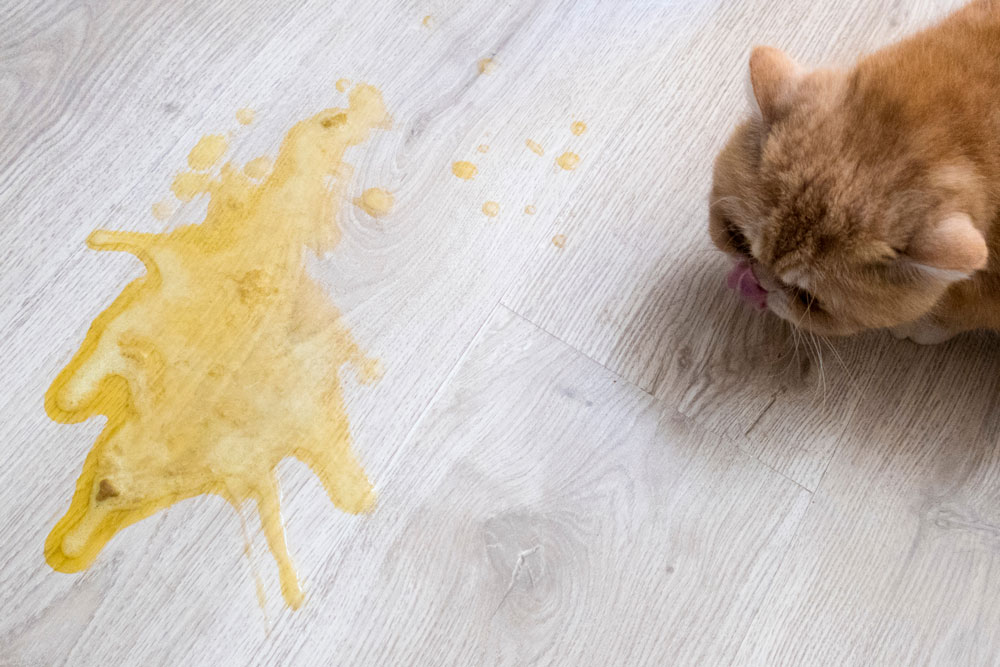
- Yellow foam or bile, especially in the morning
These can signal issues beyond the stomach. Many senior pet health problems show up as vomiting, so age and baseline screening matter. Our wellness exam services help us catch changes early.
Why Do Pets Vomit Repeatedly?
Food Sensitivities and Diet Triggers
Pets can react to ingredients they’ve eaten for years. Common proteins like chicken, beef, or fish may cause ongoing vomiting. Raiding the trash, sudden food switches, or sneaking table scraps can also upset the gut.
Choosing the right food often requires a plan, not guesswork with new brands. Finding a trigger usually takes a structured approach.
Diseases Beyond the Gut
Organs like the kidneys, liver, and thyroid can all cause vomiting when they are not working well. Chronic kidney disease, hepatic lipidosis, and hyperthyroidism are common in cats. Pancreatitis affects dogs and cats and often causes severe nausea and vomiting. These usually need bloodwork to diagnose.
Problems Inside the Digestive Tract
Issues like inflammatory bowel disease can inflame the intestines, leading to vomiting, diarrhea, and weight loss. Large-breed dogs are at risk for gastric dilatation-volvulus, an emergency where the stomach twists. Megaesophagus can cause regurgitation that looks like vomiting. Cancer risk rises with age, including lymphoma. Some dogs have bilious vomiting syndrome when stomach acid builds up on an empty stomach.
Toxins and Foreign Objects
Pets may eat harmful items. Household cleaners, medications, toxic plants, and a number of other household items can cause vomiting. Some cases need poison control and urgent care.
Toys, bones, fabric, or string can block the digestive tract- and these cases can appear either with sudden, intense vomiting or mild vomiting that comes and goes over weeks, depending on the item eaten. These may need surgery and can be life-threatening if ignored. Imaging helps us spot these quickly and choose next steps.
Eating Too Fast and Stress Related Vomiting
Some pets vomit because they eat too quickly, swallowing food and air and irritating the stomach. This often happens right after meals and you may see partially digested food. It’s commonly called “scarf and barf”.
Stress can also trigger vomiting by changing gut movement and increasing nausea, especially with routine changes, competition at the bowl, or travel. Slowing meals with a puzzle feeder or slow-feed bowl and feeding pets separately can help.
How We Investigate the Cause
Step One: History, Exam, and Screening Tests
We begin with a nose-to-tail exam and a clear history: when vomiting started, how often it happens, what it looks like, and any patterns around meals or time of day. Diet, treats, meds, trash access, and other symptoms help narrow the list.
Common first tests include bloodwork, urinalysis, and fecal testing. X-rays can show foreign objects or organ changes, while ultrasound offers a closer look at organs and intestines. Our in-house lab speeds results, and we loop in specialists when needed.
When a Food Trial Makes Sense
If initial tests are inconclusive and food sensitivity is possible, we recommend a structured diet trial. This is both a test and a treatment.
For digestive signs, most trials last three to four weeks but we may recommend up to 12 weeks.
- The diet is either a novel protein (something your pet has not eaten) or a hydrolyzed option (proteins broken into tiny pieces the immune system ignores).
- Success requires strict rules: no treats, table food, flavored meds, other pets’ food, or outdoor snacking.
Even one slip can reset the clock. We’ll help you choose a diet, set expectations, and troubleshoot along the way.
If you’re wondering, “What about over-the-counter limited ingredient foods?” They are not reliable for diagnosis due to possible cross-contamination. We typically recommend veterinary therapeutic diets or nutritionist-guided home-cooked plans.
What Trial Results Tell Us
- If your pet improves on the trial and symptoms return when the old diet resumes, food is likely the cause. Ongoing management is diet-based.
- If there’s no improvement with perfect compliance, we can confidently look beyond food and advance testing.
- We schedule follow-ups during the trial to review progress and decide the next step.
When Advanced Testing Is Needed
Endoscopy, Exploratories, and Biopsy: A Closer Look Inside
If vomiting continues despite earlier steps, or if imaging suggests changes in the gut lining, we may recommend endoscopy. This is a camera procedure through the mouth to view the esophagus, stomach, and upper small intestine, often used when we suspect cancer or significant inflammatory bowel disease. Pets are under anesthesia, and most go home the same day.
Through endoscopy, small tissue samples (biopsies) can be taken. These help identify patterns of inflammation, cancer cells, or other changes that imaging cannot confirm. Our specialist partners perform these procedures with advanced equipment.
Sometimes deeper investigation is needed. An abdominal exploratory allows us a full view of what’s going on in the abdomen, where we can visualize the organs, check for tumors, find lymph nodes, and perform full-thickness biopsies, all of which we can provide in our hospital. While more invasive, they provide the most complete information when surface samples are not enough.
Tailoring Treatment to the Diagnosis
If Food Is the Culprit
Stick with the diet that worked during the trial or a comparable formulation that avoids triggers. Consistency is key. We provide clear feeding guidelines and product recommendations so the whole family can stay on track.
If the Gut Is Inflamed or Structurally Affected
For IBD and similar problems, treatment can include diet changes, anti-inflammatory or immune-calming medications, and sometimes antibiotics. Finding the right balance takes time, but most pets improve and enjoy a good quality of life. We monitor with check-ins and occasional lab work.
If Another Organ Is the Cause
When vomiting stems from kidney, liver, thyroid, or pancreatic disease, we focus on the underlying issue. Care may include fluids, special diets, medications, and regular monitoring. Our goal is steady, long-term management tailored to your pet.
Supporting Your Pet at Home
A simple symptom diary helps us see patterns. Note dates, times, what the vomit looked like, and any triggers you notice. Photos can help if you are comfortable.
Watch appetite, energy, thirst, urination, and bowel habits. Changes can show whether treatment is working or if we need to adjust.
Help your pet stay hydrated. Offer fresh water often and call us if you notice dry gums, sunken eyes, or skin that does not spring back.
Give medications exactly as prescribed, even if your pet seems better. Many conditions need time to settle, and stopping early can cause a setback.
Have questions? Please contact us between visits. We would rather you reach out early than worry at home.
FAQs: Quick Answers for Pet Owners
How long should I wait before calling the vet?
If vomiting happens multiple times per week for more than two weeks, or sooner if there is blood, lethargy, pain, or toxins involved, schedule a visit.
What’s the difference between vomit and regurgitation?
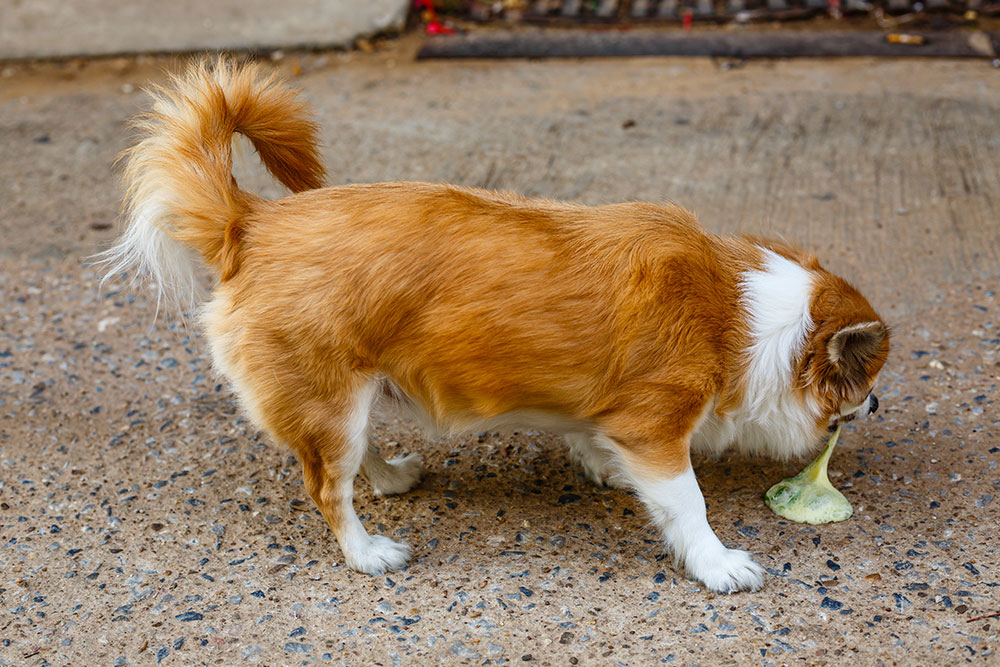
Vomit usually involves retching and brings up digested food or liquid. Regurgitation is passive and brings up undigested food.
Can I switch foods to see if it helps?
Switching without a plan can confuse the picture. Ask us about a proper diet trial so we get clear answers.
When is vomiting an emergency?
If your pet is weak, painful, bloated, unable to keep water down, has blood in vomit, may have eaten a toxin, or is a large-breed dog with sudden abdominal swelling (possible gastric dilatation-volvulus), seek immediate care.
Moving From Uncertainty to Answers
Chronic vomiting is stressful because the cause is not obvious. A stepwise plan, history, exam, screening tests, a focused food trial, and advanced testing when needed, leads to answers and relief.
We have seen many pets improve once we identify the cause, whether that is diet, organ disease, inflammation, or a blockage. With the right diagnosis, treatment becomes targeted and effective.
Our team will walk with you through every stage, explain results in plain language, and tailor a plan that fits your pet and your family. Ready to get answers? Schedule a consultation or contact us today. We are here to help, guide, and partner with you to ease your worries and restore your pet’s comfort.





Leave A Comment