


Home Dental Care for Dogs and Cats: What Works, What Doesn’t, and How to Start
If you have ever been told at a vet visit that your pet’s teeth need attention, you are not alone. Dental disease affects the majority of dogs and cats by age three, and it is one of the most preventable conditions we see. The challenge is that most pets will not sit still for a toothbrush without some training, and many owners are not sure which products actually work. The result is that home dental care gets skipped entirely, and the next professional cleaning reveals more damage than expected.
At LaGrange Veterinary Hospital, we take a thorough, head-to-tail approach to every exam, and dental health is always part of that assessment. We can evaluate where your pet’s teeth stand, recommend products that fit your routine, and walk you through brushing techniques that make the process easier for both of you. Request an appointment or contact us to schedule a dental evaluation.
What Doesn’t Work (Even If It Says “Dental” on the Package)
Before getting into what does work, it’s worth addressing the things that don’t, because the dental product market is full of misleading claims.
Anything promising a miracle: If the before picture shows brown, diseased teeth and the after shows clean, white, shiny teeth- skip it. There are products like sprays and powders claiming to remove tartar within a few weeks of use, but nothing can remove tartar and restore dental health except a professional cleaning.
Hard chews and bones: antlers, hooves, raw bones, and hard nylon products are frequently marketed as dental tools. They do remove some plaque, but they fracture teeth and wear down the tips, exposing the inner pulp and setting you up for more expensive dental care in the future. The rule of thumb: press your thumbnail into the product. If it doesn’t dent, it’s hard enough to crack a tooth.
Human toothpaste: fluoride is toxic to pets, and xylitol, found in many human oral care products, is dangerous in any amount. Always use pet-specific formulations.
One annual cleaning with nothing in between: professional cleanings address what has accumulated. Without home care between visits, plaque returns within days and the benefit of each cleaning erodes quickly.
What Actually Works: The Evidence-Based Options
Dental home care is a spectrum. Not every pet will accept brushing, and not every household has the same time or patience for daily routines. The good news is that a combination of the right products, even imperfectly applied, is meaningfully better than nothing at all. Every approach below produces genuine benefit when used consistently.
Periodontal disease begins with plaque and progresses to tartar, gingivitis, and eventually bone loss and tooth loss. Professional dental cleanings address what has already accumulated. Home care is what slows the return of disease between those cleanings. The two are partners.
The VOHC seal (Veterinary Oral Health Council) is the most reliable indicator that a dental product has been proven to reduce plaque or tartar in controlled clinical trials. When evaluating anything dental, look for this seal first. A product without the seal doesn’t mean it doesn’t work, but the seal does mean that the company has done the leg work to prove their claims.
Brushing: Still the Gold Standard
Nothing else matches consistent toothbrushing for plaque removal. The mechanical disruption of the bacterial biofilm before it can mineralize is simply more effective than anything passive.
Building Up to It
The introduction matters more than the technique. A pet who has a bad early experience with a toothbrush will resist every session afterward.
- Start by touching the muzzle and gently lifting the lips for several days, with a reward after each session
- Progress to running a clean finger along the outer tooth surfaces
- Introduce toothpaste on a fingertip; let them taste it before any brushing begins. CET enzymatic toothpaste is a great option.
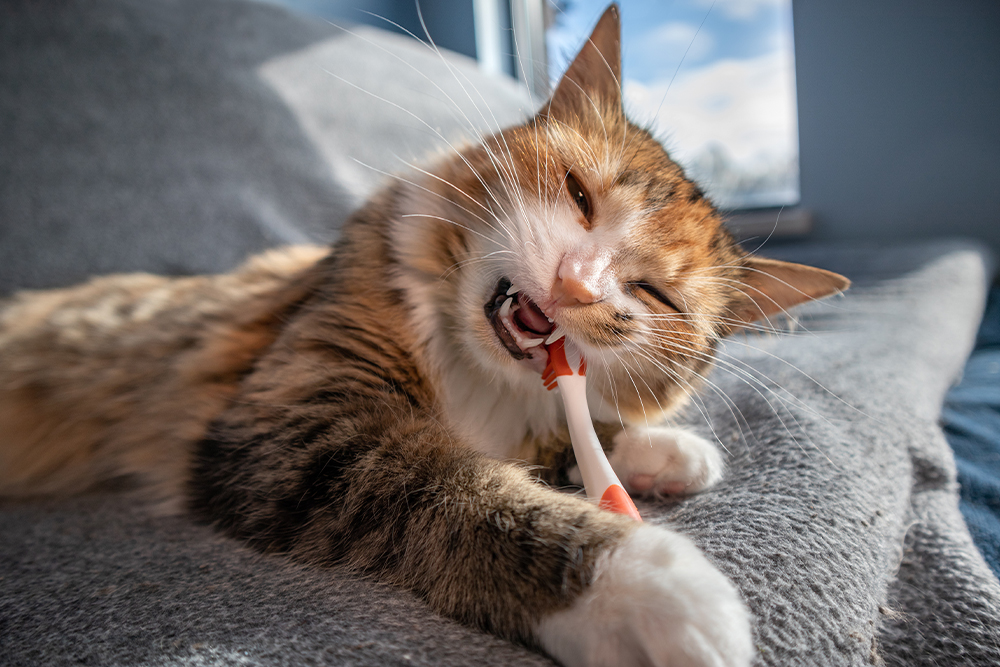
- Introduce a fingerbrush or a soft toothbrush, starting at the front teeth only. This CET fingerbrush is a great starting point.
- Work toward the back molars incrementally over the following days or weeks
Cooperative care techniques using positive reinforcement and consent are significantly more effective than restraint. Keep sessions short enough to end before resistance builds. Consistency over perfection is the right frame of mind.
For brushing dog teeth, a 45-degree angle toward the gumline and short strokes on the outer surfaces of the upper back teeth will address the areas where tartar accumulates fastest.
For brushing cat teeth, smaller brushes, very light pressure, and shorter sessions distributed through the day often produce better results than one longer attempt.
Browse our full selection of toothpastes and toothbrushes in our online pharmacy for pet-safe options.
Dental Wipes: The Useful Alternative
For pets who genuinely will not tolerate a toothbrush, Vetradent dental wipes provide friction-based cleaning on accessible tooth surfaces. They cannot reach the gumline or inner surfaces as effectively as a brush, but consistent use is meaningfully better than nothing. Pair them with an enzymatic product for added chemical disruption of bacteria.
For some households, wipes are not a stepping stone to brushing but the realistic long-term approach. Our team can help you assess which strategy fits your pet.
Enzymatic Gels and Powders: Passive Chemical Action
Enzymatic products break down bacterial biofilm chemically, independent of mechanical scrubbing. Perio Support Dental Care Powder can be added directly to food at each meal, providing ongoing enzymatic protection without any handling. Combined with brushing or wipes, enzymatic products enhance effectiveness meaningfully.
Water Additives: The Most Hands-Off Option
Water additives go into the water bowl and deliver antimicrobial protection with every drink. It requires no cooperation from your pet and provides a baseline level of oral hygiene for pets who resist any direct approach.
Introduce it gradually at a diluted concentration first to ensure your pet continues drinking normally.
Dental Chews and Treats: Supporting, Not Replacing
Edible dental chews provide both mechanical cleaning and enzymatic action, and done right they add genuine benefit to a home care routine. Match the chew size to your pet’s weight, apply the thumbnail test before introducing any new chew product, and supervise initial sessions.
Our pharmacy carries dog dental chews and treats, plus cat options like Greenies dental treats and ProDen DentalCare bites.
Dental Diets: Built Into Mealtime
Dental diets use specific kibble size and texture to produce mild cleaning with every bite. Some also contain ingredients that bind calcium and slow tartar mineralization. They are most useful as a supplement to brushing rather than a replacement.
We carry both dog dental diets and cat dental diets for pets whose oral health would benefit from a dietary approach.
Professional Cleaning: What Home Care Cannot Replace
Even thorough daily brushing cannot remove tartar that has already hardened, and it cannot access the disease developing below the gumline. Professional dental cleaning under anesthesia is the only approach that provides scaling and polishing above and below the gumline, individual tooth probing, full-mouth radiographs to reveal root and bone disease, and safe treatment or extraction of compromised teeth.
Anesthesia-free dental risks are real: these procedures only address visible surfaces, leaving the more significant subgingival disease untouched while producing the appearance of cleaner teeth.
Home care extends the benefit of professional cleanings. It does not make them optional.
Making the Routine Sustainable
- Pair dental care with an existing daily habit so it happens automatically
- Keep supplies visible where they are actually used
- Start with less than you think you need to build a positive association before extending
- Accept that on days when nothing else works, 30 seconds of enzymatic powder on food still counts
Our services include dental health as a standard component of every wellness visit. Our team can demonstrate brushing technique, evaluate your pet’s current oral health, and help you choose the products that make the most sense. Browse the full selection of cat dental products and dog dental products in our online pharmacy to find the right tools for your pet.
Frequently Asked Questions
How do I know if my home care is making a difference?
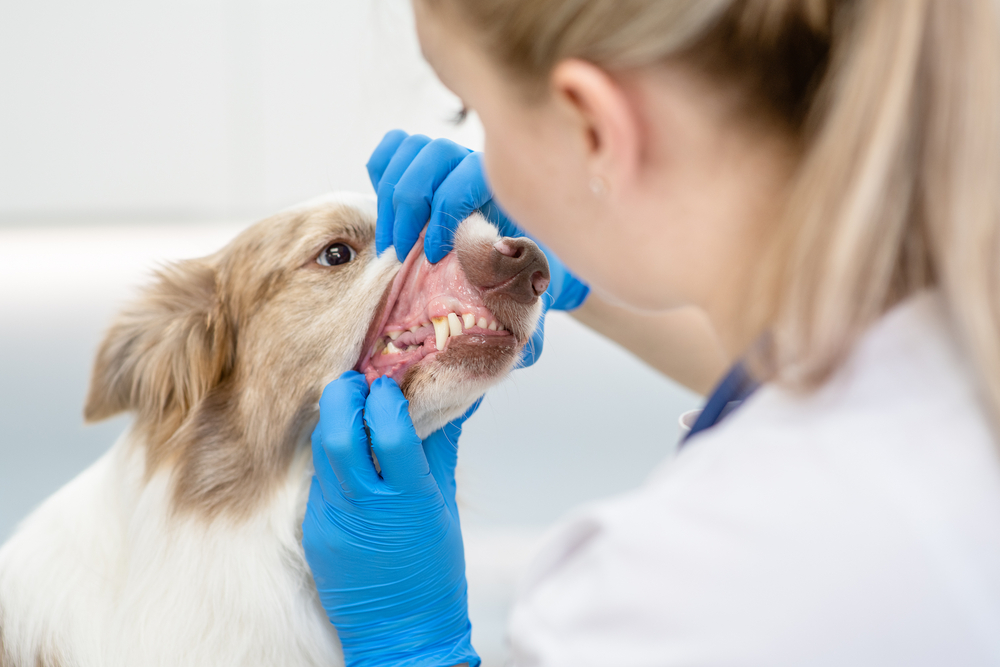
Fresher breath, reduced visible tartar buildup at the gumline between professional cleanings, and healthier-looking pink gum tissue are all positive signs. At your pet’s dental evaluation, we compare the current tartar level to where it was previously.
My pet refuses everything. Where do I actually start?
Add enzymatic powder to food. No handling required. Once they associate the taste with food, the next step of letting them lick it from a fingertip becomes much easier. Progress from there.
How often should I have my pet’s teeth professionally cleaned?
For most dogs and cats, annually. Small breed dogs and senior cats often benefit from more frequent care. The state of your pet’s mouth at their last cleaning is the best guide to how quickly tartar returns.
Start Where You Can
The best dental routine is the one that actually happens consistently. Whatever level of home care you can realistically maintain is better than none, and our team at LaGrange Veterinary Hospital can help you figure out which approach fits your pet’s personality and your schedule.
Request an appointment for a dental evaluation, or contact us to discuss where to start. We’ll meet your pet where they are and genuinely help you build a routine that fits both your schedule and their temperament.

Leave A Comment