

The whole point of screening an older pet is to catch what the body is hiding: appetite, energy, and coat can all look completely normal while kidney function declines, thyroid levels shift, and blood pressure quietly climbs. The dog or cat snoring on your couch tonight can be genuinely comfortable and still be months into a condition that lab work would flag today. Bloodwork and urine testing reveal what the organs are actually doing, and chest and abdominal X-rays show changes in the heart, lungs, and belly that no hand can feel from the outside. A little extra napping is ordinary aging; weight loss, extra thirst, or new stiffness often is not.
Plenty of the senior dogs and cats we examine at LaGrange Veterinary Hospital in Lagrangeville look perfectly healthy in the exam room, and that is exactly why we look deeper. Thorough, head-to-tail exams are the core of how we practice, backed by in-house lab work and X-rays that show what the kidneys, liver, heart, and lungs are really doing behind a shiny coat. If the results raise a question, we sit down with you and separate normal aging from the conditions worth treating, so nothing gets chalked up to old age by default. When your pet’s last full workup is starting to feel like a long time ago, give us a call and we will get one scheduled.
The Case for Screening a Healthy Senior
- Most dogs are seniors by age seven and cats by around ten, and that’s the point where quiet, treatable diseases begin outpacing what a physical exam alone can catch.
- Blood work, a blood pressure check, a urinalysis, and chest and abdominal X-rays reveal what the kidneys, thyroid, heart, and other organs are doing long before your pet looks or acts unwell.
- Comparing this year’s results to last year’s often flags trouble while every individual value still reads as normal, which is why twice-yearly visits beat waiting for symptoms.
- Catching kidney disease, a thyroid shift, an early heart change, or a small tumor sooner almost always means simpler, gentler, and more effective treatment.
Why Isn’t a Regular Checkup Enough Once My Pet Gets Older?
A hands-on exam catches what can be seen and felt, but organs tend to fail quietly at first. By the time a senior dog or cat looks sick, a condition has often been building quietly for months, which is why preventive testing earns a place alongside the physical exam.
Older bodies change fast. A single year for a senior pet can cover the same ground as four or five of ours, which is why we recommend a checkup twice a year once your dog or cat crosses into their senior years. The real power, though, is in the trend. A kidney value sitting at the very top of normal this summer, then climbing a little higher next summer, tells a story a one-time snapshot never could, and it lets us step in while the problem is still small.
What Goes Into a Senior Screening Panel?
A senior screening bundles several quick, low-stress tests chosen to check the systems most likely to slip with age: a blood panel, a urine sample, a blood pressure reading, and often chest and abdominal X-rays. A wiry, bright twelve-year-old cat and a large-breed dog with a new heart murmur need different workups, so our veterinarians build each plan around your pet’s breed, history, and whatever the exam turns up that day.
What Can Blood Work Show Before My Pet Acts Sick?
Blood work is the closest thing we have to a window into the body without opening it. A small sample, drawn in about a minute, measures how the internal organs are functioning and how the blood cells are balanced, often catching a problem a season or two before your pet shows a single outward sign.
A senior blood panel is really several tests packaged together, each watching a different system:
| Blood test | What it measures | What it can flag |
| CBC (complete blood count) | Red cells, white cells, and platelets | Anemia, infection, inflammation, some cancers |
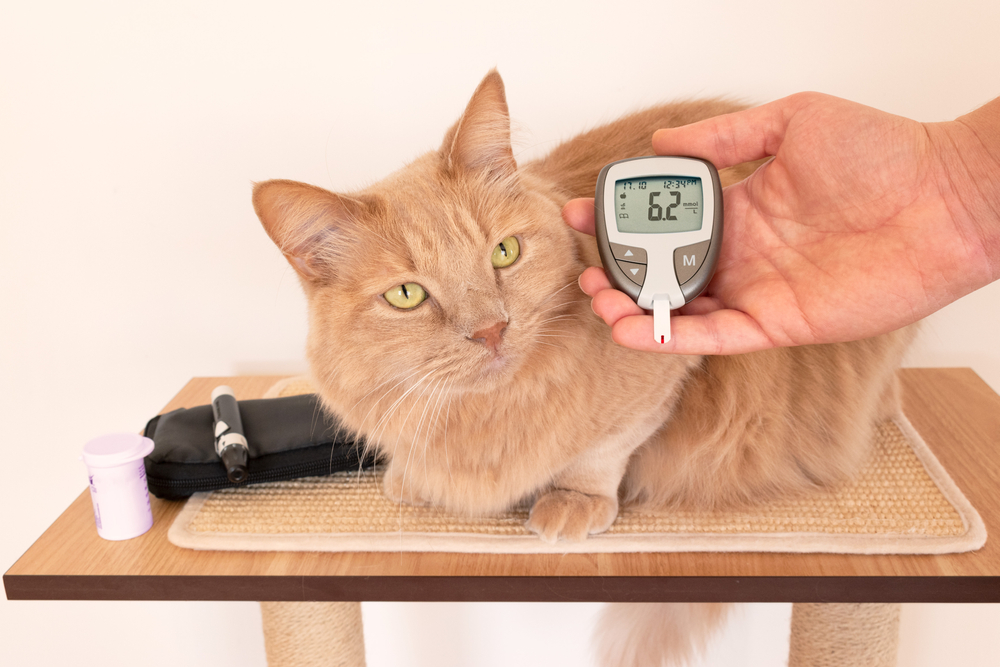
| Chemistry panel | Kidney and liver values, blood sugar, protein, electrolytes | Kidney disease, liver disease, diabetes, dehydration |
| Heartworm and tick-borne screen | Exposure to heartworm and tick-carried infections | Heartworm disease, Lyme, anaplasmosis, ehrlichiosis |
| Thyroid testing | Thyroid hormone level | An underactive thyroid in dogs, an overactive one in cats |
The first panel run while your pet is healthy becomes the baseline every later result is measured against, which is what turns a borderline number into either honest reassurance or an early warning worth acting on.
Why Does Blood Pressure Matter If My Pet Seems Fine?
High blood pressure carries no obvious symptoms in pets, which is exactly what makes it dangerous. It damages the eyes, kidneys, heart, and brain long before anything looks wrong at home, and hypertension in dogs and cats usually rides along with another problem such as kidney disease or an overactive thyroid.
The check itself is easy: a small inflatable cuff on a leg or the tail, a few quiet readings, and no needles at all. Because that first number can spike when a nervous cat walks into a new room, we let your pet settle before trusting the result. When the pressure runs high, the plan usually pairs a daily medication that relaxes the blood vessels with treatment of whatever underlying condition is driving it, then a recheck to confirm things have dropped back into a safe range.
What Does a Urine Test Add That Blood Work Misses?
Blood work and urine testing each see half the picture, and the kidneys are where that split matters most. A urinalysis reads the concentration, protein, sugar, and cells in a urine sample to flag kidney trouble, infection, diabetes, and bladder disease.
Dilute urine, for instance, can reveal kidneys straining to concentrate waste before the blood chemistry ever shifts, so a normal-looking panel paired with watery urine points our attention somewhere a single test would have missed. Sugar spilling into the sample backs up a diabetes diagnosis, while white cells or bacteria pin down the bladder infection behind those sudden puddles on the rug.
Should My Senior Pet’s Heart Be Checked Even Without Symptoms?
Heart disease often hides behind a completely normal-looking pet, and a murmur or early enlargement can be present for years before the first cough or slowdown. Checking the heart ahead of symptoms is what buys the time to slow the disease.
A few tools do most of the work, and none of them ask much of your pet:
- Chest X-rays are the usual starting point, showing the heart’s size and outline and whether fluid is collecting in the lungs.
- Echocardiography is the detailed follow-up when a murmur or a film raises a question. An echocardiogram is an ultrasound of the beating heart that measures chamber size, valve motion, and pumping strength without a single needle or, for most pets, any sedation.
- The NT-proBNP blood test reads a marker the heart releases when it’s stretched or strained, which helps sort an innocent murmur from one worth chasing further.
- An ECG traces the heart’s electrical rhythm and picks up the skipped or racing beats of an arrhythmia.
If your senior dog or cat has a murmur or is simply due, you can schedule a senior screening that includes a proper look at the heart.
When Do X-Rays and Ultrasound Come Into the Picture?
Imaging steps in when the exam or the lab work raises a question a physical can’t answer, and often as a baseline in an otherwise healthy senior. Chest and abdominal radiography shows the size and shape of the heart, lungs, and abdominal organs on a single image, revealing fluid, unexpected masses, or the joint changes that come with age.
The two imaging tools answer different questions:
| Tool | The view it gives | When it shines |
| X-ray | A wide-angle outline of the whole chest or belly at once | Screening healthy seniors and spotting fluid, masses, or worn joints |
| Ultrasound | A close-up inside a single organ, layer by layer | Investigating a specific change an X-ray or exam has flagged |
Our digital X-rays turn that wide-angle look into a same-visit answer for a lot of worries. When a finding needs a closer look inside an organ, our network of trusted specialists means we know exactly where to send you, including for an ultrasound-guided sample when one is warranted.
What Conditions Are We Looking For?
All of this testing points at a short list of conditions that surface again and again in older dogs and cats, and a handful are worth knowing by name, because their first signs are so easy to wave off as your pet simply getting old.
Thyroid Disease Runs Opposite Directions in Dogs and Cats
In dogs, hypothyroidism slows the metabolism into weight gain, low energy, and a thinning coat that look a lot like ordinary aging, yet it reverses with an inexpensive daily hormone tablet.
Cats tend to travel the opposite way, since hyperthyroidism races the metabolism into weight loss despite a ravenous appetite and quietly strains the heart, though medication, a special diet, or radioiodine can bring it back under control.
Kidney Disease Often Arrives Silently
Chronic kidney disease is one of the most common problems in older pets, and because a cat or dog can lose most of their kidney function before drinking more water or dropping weight, screening often catches it years ahead of the first symptom. There’s no cure, but a great deal of good management: a kidney-friendly diet, steady hydration, and medications that protect the function still left can add comfortable years. If your senior pet has started emptying the water bowl faster than usual, call the hospital and we can take a look.
Heart Disease Comes in Predictable Shapes
Mitral valve disease tops the list of acquired heart problems in dogs, particularly small breeds, where a leaky valve produces a murmur years before it ever threatens to tip into heart failure. Larger dogs lean toward dilated cardiomyopathy, in which the heart muscle weakens and stretches, while cats most often develop hypertrophic cardiomyopathy, a thickening of the walls that can stay hidden until it’s advanced. Medications now do a great deal to slow these conditions and keep pets feeling good, especially when treatment starts early.
Cancer Is More Treatable When It’s Small
Cancer is a leading cause of death in older dogs and cats, yet many forms respond well to treatment when a routine exam or an imaging scan turns up a mass while it’s still small and local. Certain breeds carry known risks, and a few names come up often: lymphoma in the lymph nodes, hemangiosarcoma in the spleen, and osteosarcoma in the bones of big dogs. When a new lump appears, our doctors can often draw a few cells with a fine needle and read them under the microscope, a quick cytology that frequently tells us right away whether it’s nothing or something to act on quickly.
Liver Disease Usually Shows in the Blood First
The liver is quietly forgiving, and that’s the catch: it can lose a good deal of function before your pet ever acts unwell, so the chemistry panel tends to raise the flag first, through enzyme levels that climb ahead of any yellowing of the gums or dip in appetite. Depending on the cause, treatment might mean a diet change, liver-support supplements, or managing an underlying condition, and many pets do well once we know exactly what we’re dealing with.
Arthritis and Joint Pain Deserve Attention Too
Sore joints are almost a given in senior pets, and cats hide it especially well, trading the counter leaps for a quiet spot on the floor rather than limping where anyone can see. Diagnosis comes from watching how your pet moves, feeling the joints, and often an X-ray to gauge the wear. Arthritis care has moved well beyond just pain pills. A monthly injection like Librela interrupts the specific nerve signal that carries joint pain in dogs, easing stiff seniors without a daily pill. Cats have a comparable shot of their own called Solensia, and weight control, joint supplements, gentle activity, laser therapy, and even acupuncture or chiropractic care round out a plan. If your older pet is slowing on the stairs, get in touch and we can talk through their comfort.
Dental Disease Reaches Far Past the Mouth
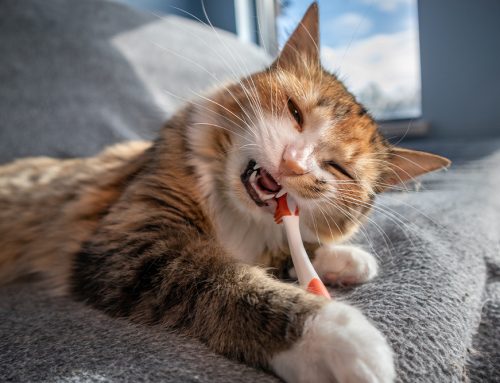
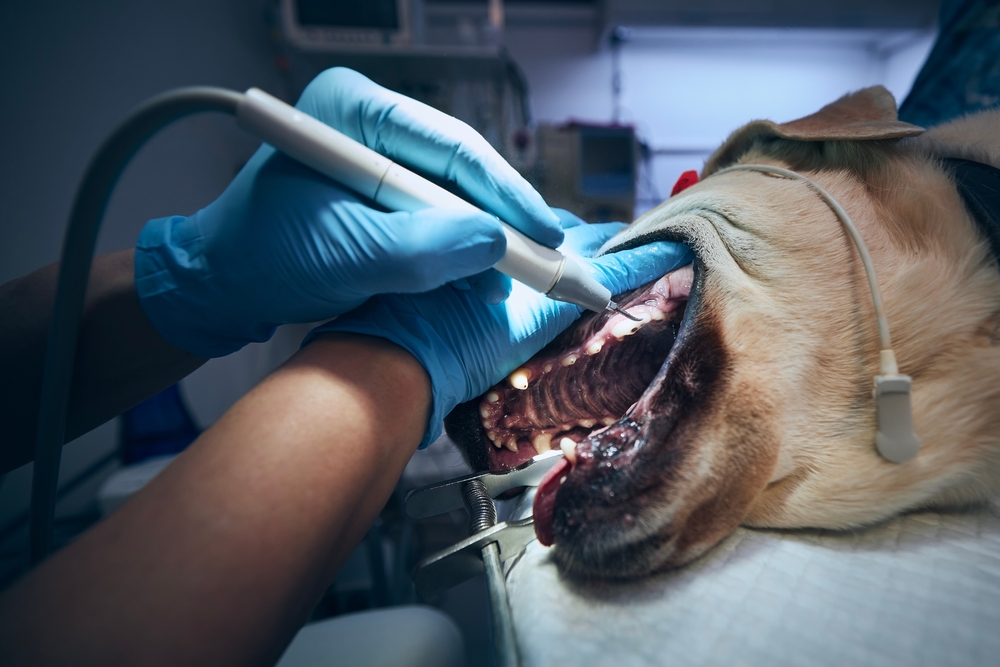
Dental disease affects the majority of pets over three, and the bacteria thriving under an inflamed gumline don’t stay put, seeding inflammation that reaches the heart, liver, and kidneys. A truly healthy mouth means a cleaning under anesthesia, where we can scale below the gumline, and the same pre-anesthetic blood work that makes senior screening smart also makes that procedure safer. Bad breath, drooling, or chewing on just one side are the cues to mention, and regular tooth brushing or dental chews at home slow the buildup between visits.
Your Senior Screening Questions, Answered
How often does my senior pet need screening?
For most pets in their senior years, twice a year hits the sweet spot. Your veterinarian may suggest more frequent checks for a pet already managing a known condition, and large breeds often start senior screening sooner because they reach their golden years earlier.
My cat acts perfectly healthy. Is screening really worth it?
This is the most common reason screening gets skipped, and it’s exactly why it works. Cats especially are wired to mask illness, a leftover survival habit, so “acting fine” tells you very little about kidney, thyroid, or heart function. More often than not the results are reassuring, and when they aren’t, you’ve found the issue at the stage where you still have the most options on the table.
Isn’t slowing down just normal for an older pet?
Some of it is. A senior dog who naps more, takes the stairs at a gentler pace, or wants a shorter walk on a hot afternoon is usually just aging. What isn’t normal is a change that keeps progressing: struggling to rise, hesitating before jumping onto the couch, losing weight, drinking more, or losing interest in things they used to love.
Are senior screenings expensive?
Less than most families expect, and far less than treating the same disease once it’s advanced. We don’t run every available test on every pet. We choose what makes sense for your dog or cat based on age, breed, history, and what the exam turns up, so a healthy nine-year-old and a fourteen-year-old with a murmur get very different recommendations. Testing can also be staged rather than done all at once, starting with blood work and urine and adding imaging later if something warrants it, which spreads the cost across visits. Cherry payment plans can break a larger bill into smaller monthly pieces when that helps. Catching kidney disease early enough for a diet change, or a thyroid shift that a daily tablet corrects, almost always costs less than hospitalizing a pet in crisis months later.
Helping Your Hudson Valley Senior Age Comfortably
Gray muzzles and slower mornings are part of loving an older pet, but weight loss, extra thirst, new stiffness, and quiet organ changes aren’t something to file under old age by default. A screening visit is how we tell the difference, and the sooner we look, the more we can do about what we find.
If your dog or cat is due, book your pet’s senior screening at LaGrange Veterinary Hospital and we’ll build the right panel around them. If something already has you worried, reach out and we’ll get you on the schedule here in Lagrangeville for a closer look.